5 Ways to Prevent RV Glass Seal Leaks in Newport, NC
Owning a recreational vehicle offers the freedom to explore the beautiful coastlines of North Carolina, yet nothing disrupts a journey faster than discovering water inside your cabin after a storm. The combination of high humidity, salt air, and constant vibration on coastal roads creates a harsh environment that gradually degrades the seals around your windows and windshields. Many RV glass owners only notice the issue when they see water stains on interior walls or feel dampness on their flooring, which often means significant damage has already occurred to the underlying structure.
These are 5 ways to identify and prevent RV glass seal failure before your next trip:
1. Recognizing Early Warning Signs of Water Intrusion
Identifying seal failure early is the most effective way to protect your investment from severe water damage. One of the first indicators is often a musty odor that persists even after cleaning the interior, which suggests moisture is trapped behind walls or under flooring. Additionally, you should look for discoloration or soft spots on the ceiling and walls near window frames, as these are common entry points for water during heavy rains.
Another subtle sign is the presence of condensation between panes of glass, which indicates the sealant barrier has failed and allowed humid air to enter the insulated space. If you notice any of these symptoms while traveling through Newport, NC, it is crucial to address them before the next rainfall exacerbates the problem. Regular inspections of the exterior caulking can also reveal cracks or gaps where water might penetrate, especially after long trips on rough roads.
2. Understanding the Impact of Coastal Weather on RV Glass
The unique climate along the North Carolina coast presents specific challenges that inland areas do not face. Salt spray from the ocean can accelerate the deterioration of rubber seals and adhesives used in RV glass installations, making them brittle and prone to cracking over time. Furthermore, the high humidity levels typical of coastal regions mean that any small breach in your sealant allows significant amounts of moisture to enter the vehicle quickly. Temperature fluctuations between hot summer days and cooler nights cause materials to expand and contract repeatedly, which puts additional stress on existing seals.
This constant movement can widen tiny cracks and create new pathways for water intrusion if the original installation was not robust enough to handle such conditions. Owners who frequently travel near the beach should be extra diligent about maintenance schedules to ensure their vehicles remain watertight. Using high-quality marine-grade sealants designed for coastal environments can provide an extra layer of protection against these harsh elements. When searching for recreational vehicle glass, prioritize products rated for salt-air exposure to extend the life of your windows.
3. Safe Pre-Trip Inspection Checklist for Owners
Before embarking on any trip, conducting a thorough visual inspection of your RV glass and seals can save you from unexpected leaks on the road. Start by examining the exterior perimeter of each window and windshield for any visible gaps, cracks, or peeling sealant. Use a flashlight to get a better view of hard-to-reach areas and check for signs of old adhesive that may have dried out or separated from the frame. Inside the vehicle, run your hand along the edges of windows to feel for dampness or softness in the surrounding wall material.
It is also wise to test the integrity of the seals by gently pressing on the glass to ensure it feels secure and does not move excessively within its frame. If you find any questionable areas, apply a temporary sealant patch until you can reach a professional for a permanent fix.
4. When to Reseal Versus When to Replace Glass
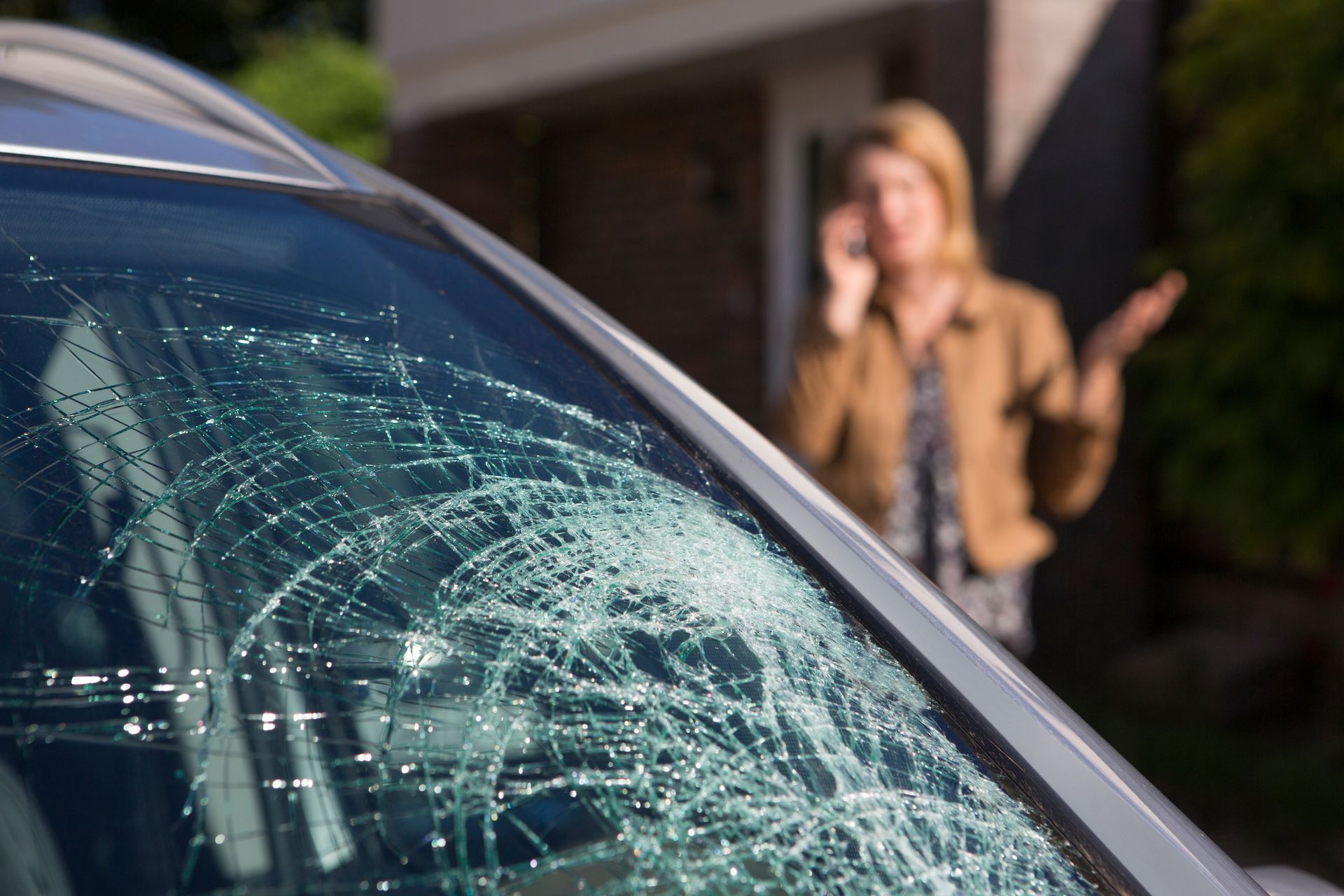
Determining whether a simple resealing job will suffice or if full glass replacement is necessary depends on the extent of the damage and the condition of the glass itself. Resealing is appropriate when the glass pane remains intact without cracks or chips, and the issue is isolated to the failing adhesive or caulking around the edges. In these cases, removing the old sealant, cleaning the surface thoroughly, and applying fresh, high-quality adhesive can restore the watertight barrier effectively. However, if the glass shows signs of structural damage such as large cracks, deep chips, or delamination where layers separate, replacement becomes the only viable option.
Attempting to reseal damaged glass often leads to recurring leaks and potential safety hazards while driving. Professional assessment is highly recommended because technicians can evaluate the integrity of both the glass and the frame to recommend the best course of action.
5. Professional Solutions for Long-Term Protection
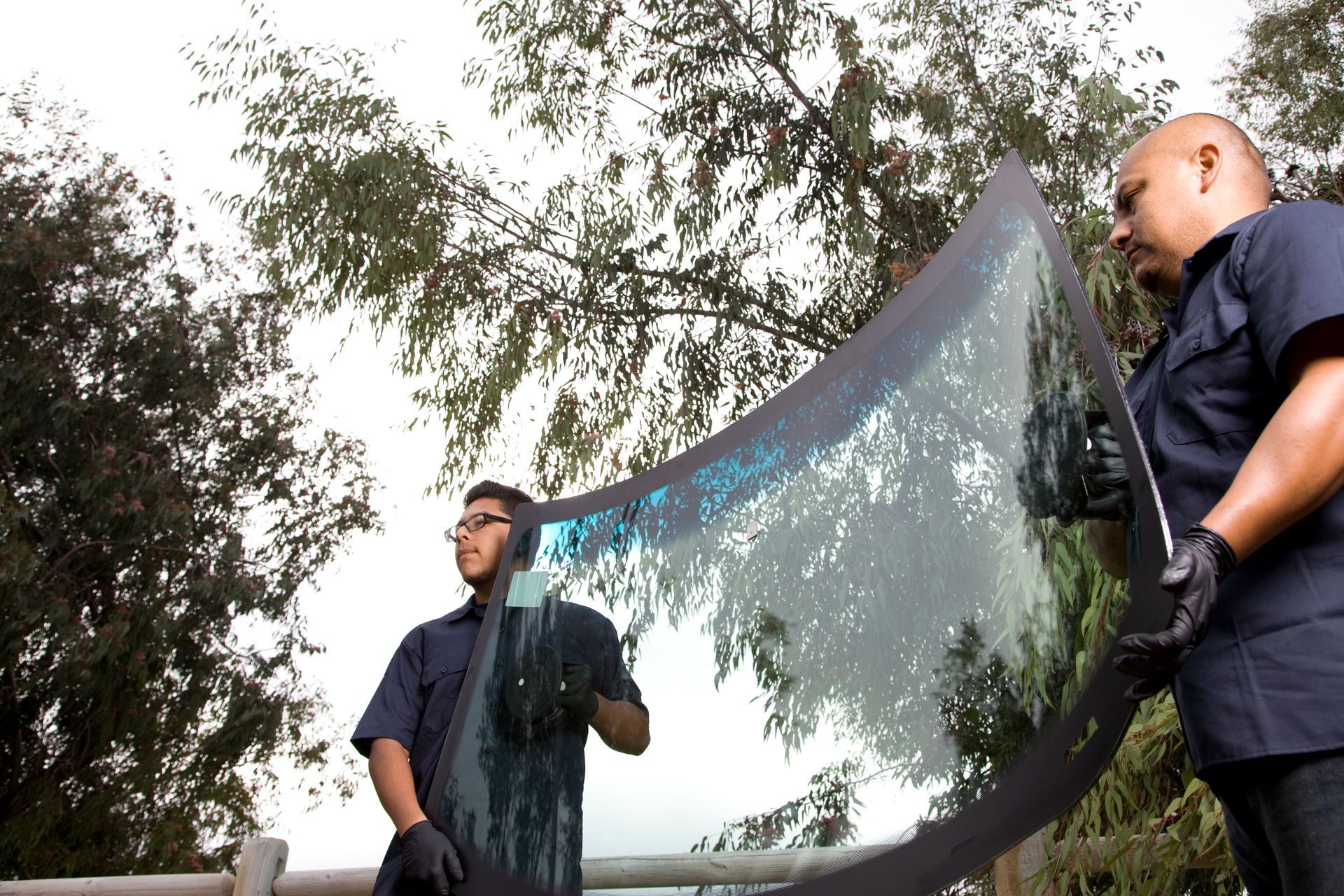
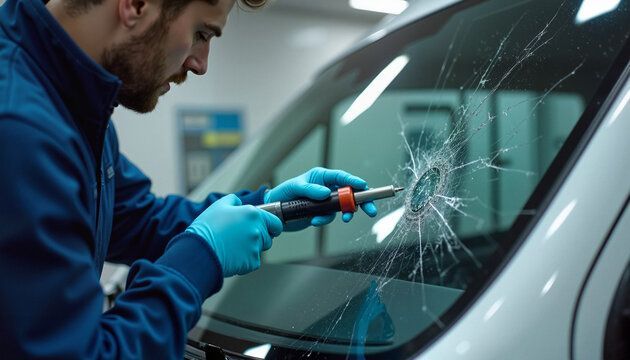
While DIY fixes can handle minor touch-ups, professional installation provides the durability needed for long-term protection against coastal weather conditions. Certified technicians possess the specialized tools and knowledge required to remove old sealants completely without damaging the surrounding frame or interior finishes. They also use industrial-grade adhesives that are specifically formulated to withstand the rigors of road vibration and exposure to salt air.
Moreover, professionals can identify underlying issues that untrained eyes might miss, such as frame corrosion or hidden water damage that could compromise future installations. Choosing expert services guarantees that your RV glass meets safety standards and performs optimally throughout its lifespan.
Contact Atlantic Glass & Mirror for Expert Service
Do not let uncertain seals ruin your next adventure along the coast. For comprehensive inspections, professional resealing, or complete glass replacement, trust the team at Atlantic Glass & Mirror. We are dedicated to providing fast, reliable service that gets you back on the road with confidence. Call us today at (252) 222-4527 to schedule your service and ensure your RV glass in Newport, NC, is ready for the road ahead.